The Five Hats of Effective Leaders
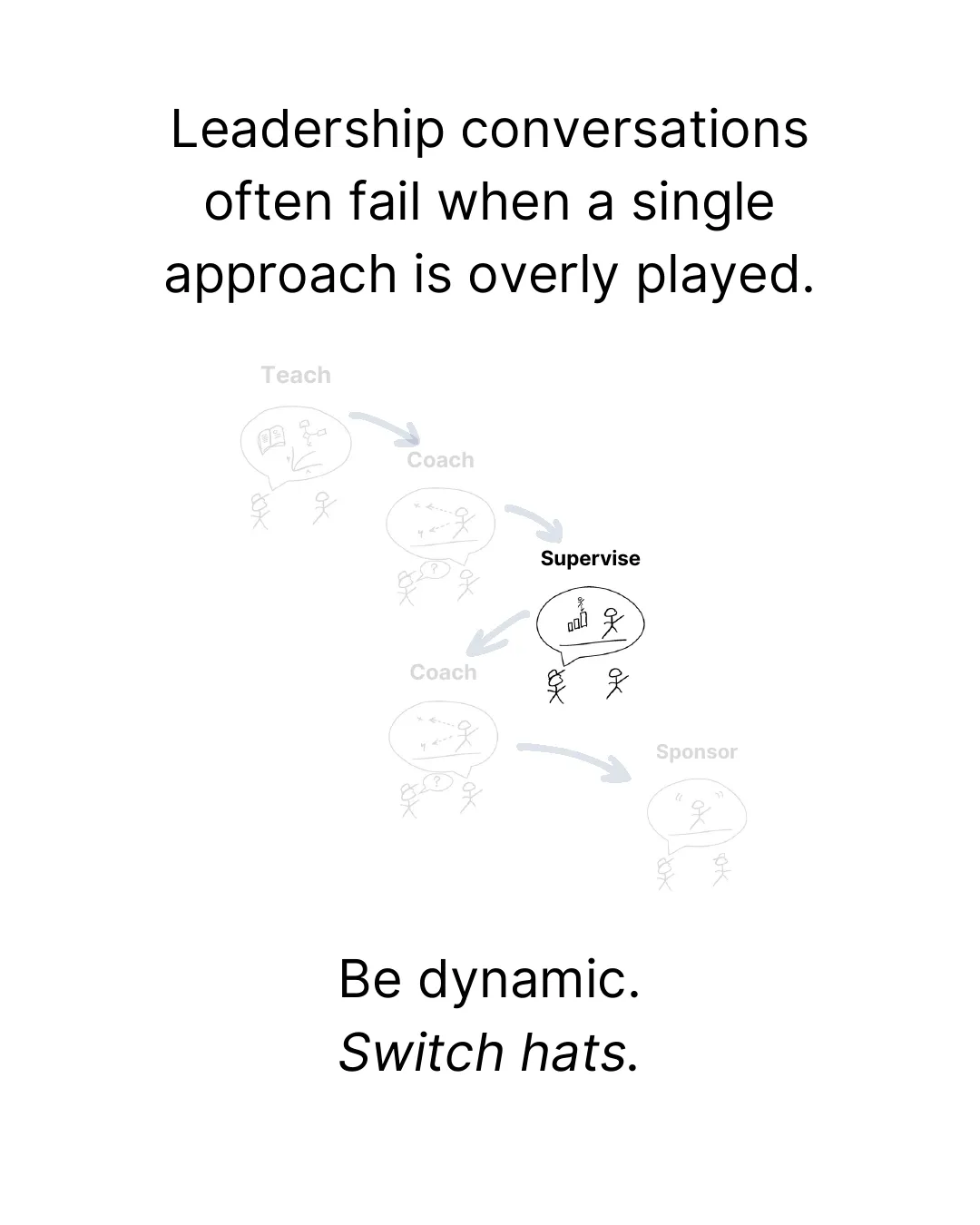
The mistake isn’t wearing a hat. The mistake is not switching.
Download all thirteen slides as a PDF
Most leadership conversations fail for a simple reason:
Leaders stay in one mode too long.
They teach when coaching is needed. They mentor when supervision is required. They sponsor before someone is ready—or supervise when what’s really needed is perspective.
Effective leadership isn’t about choosing one approach. It’s about knowing which hat to wear—right now.
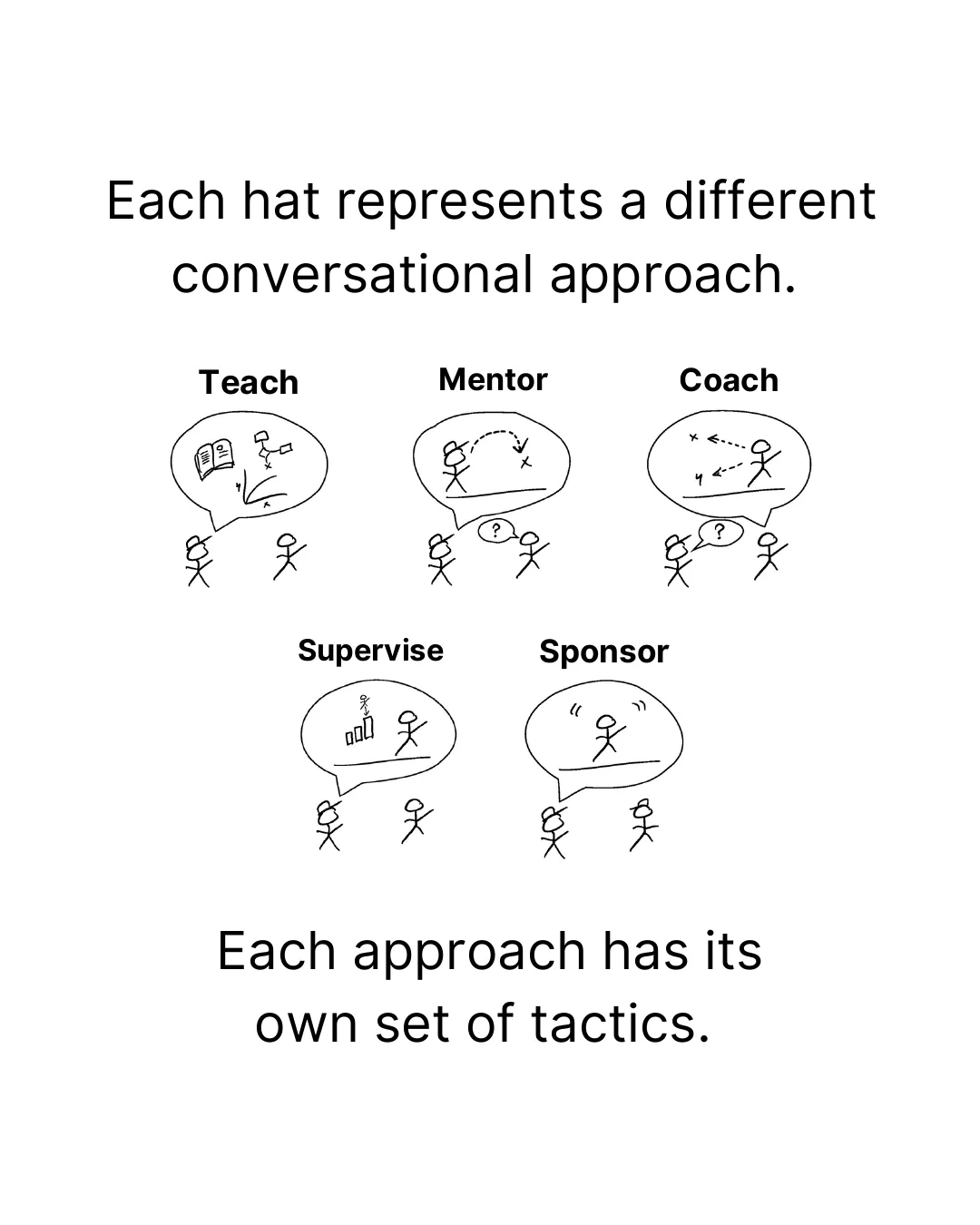
That’s the idea behind the Five Hats of Effective Leaders:
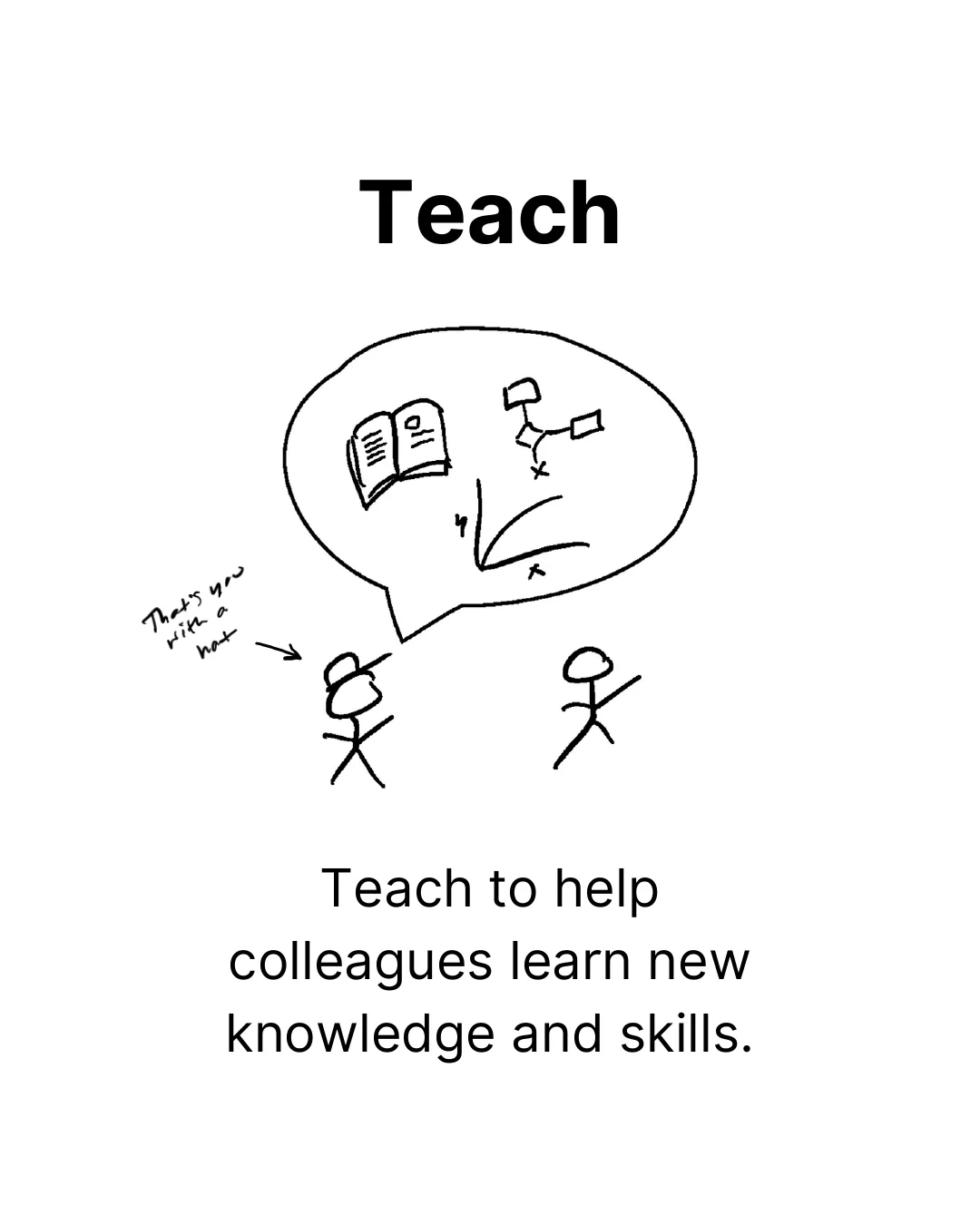
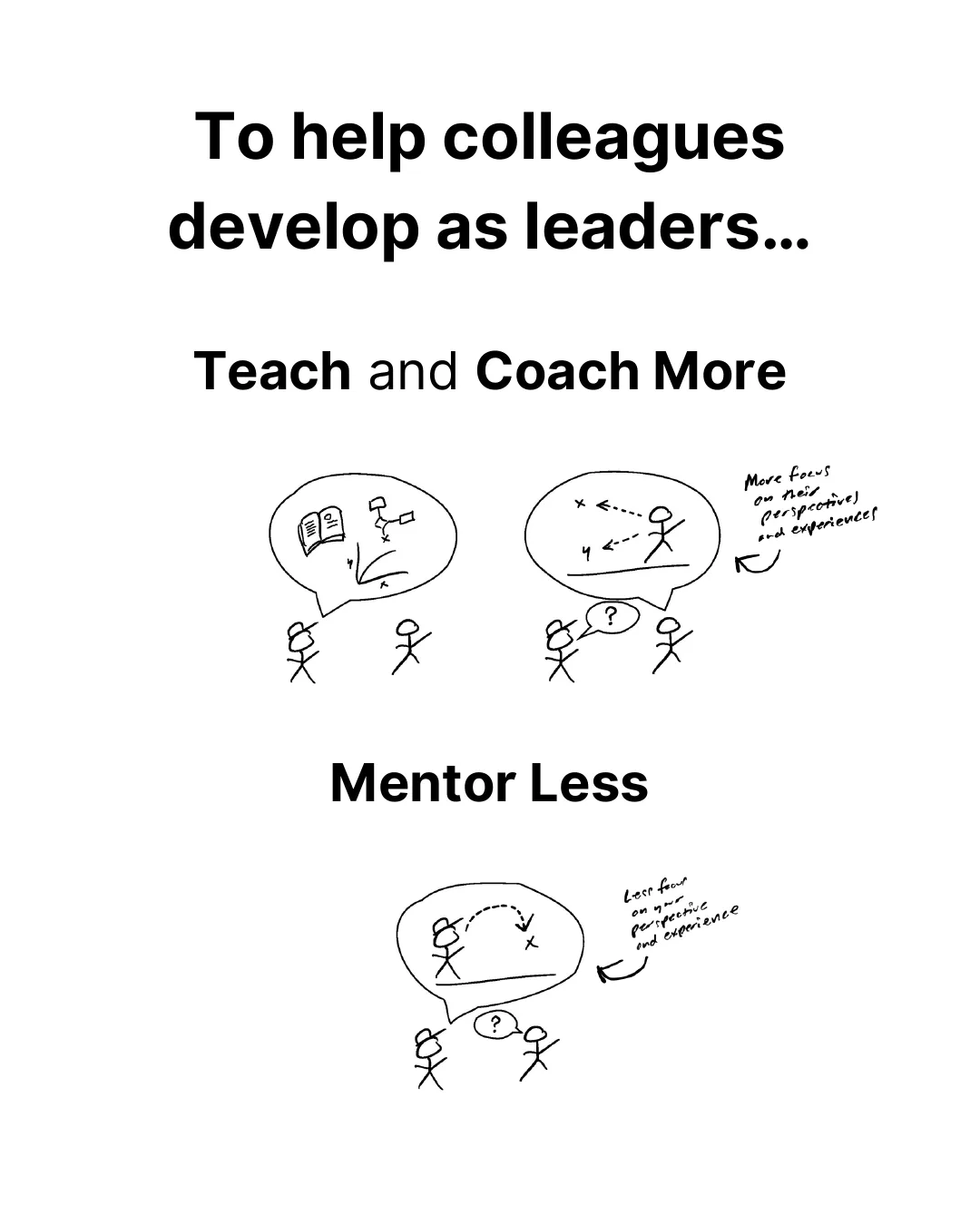
- Teach — when new knowledge or skills are missing
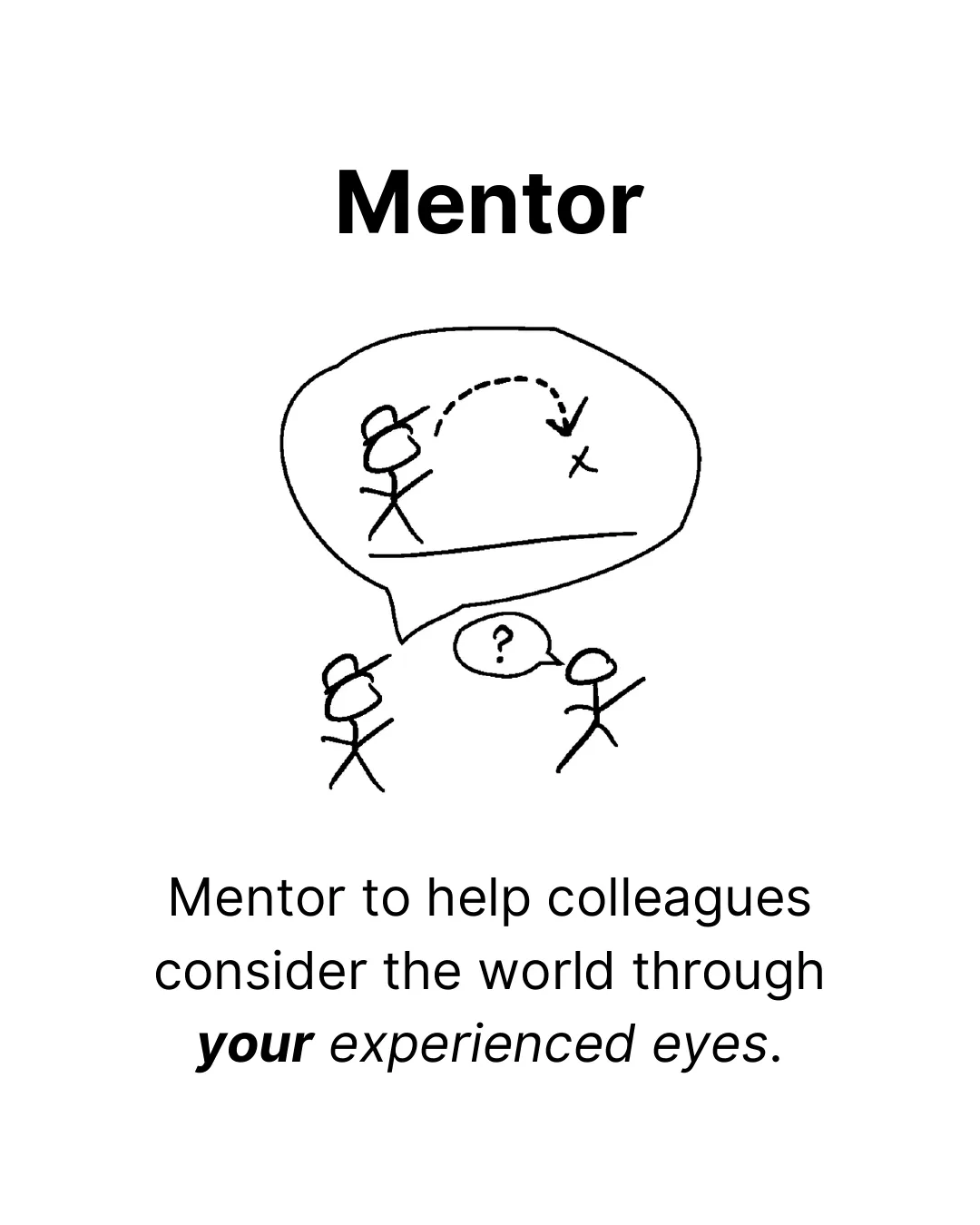
- Mentor — when your experience can offer a possible lens
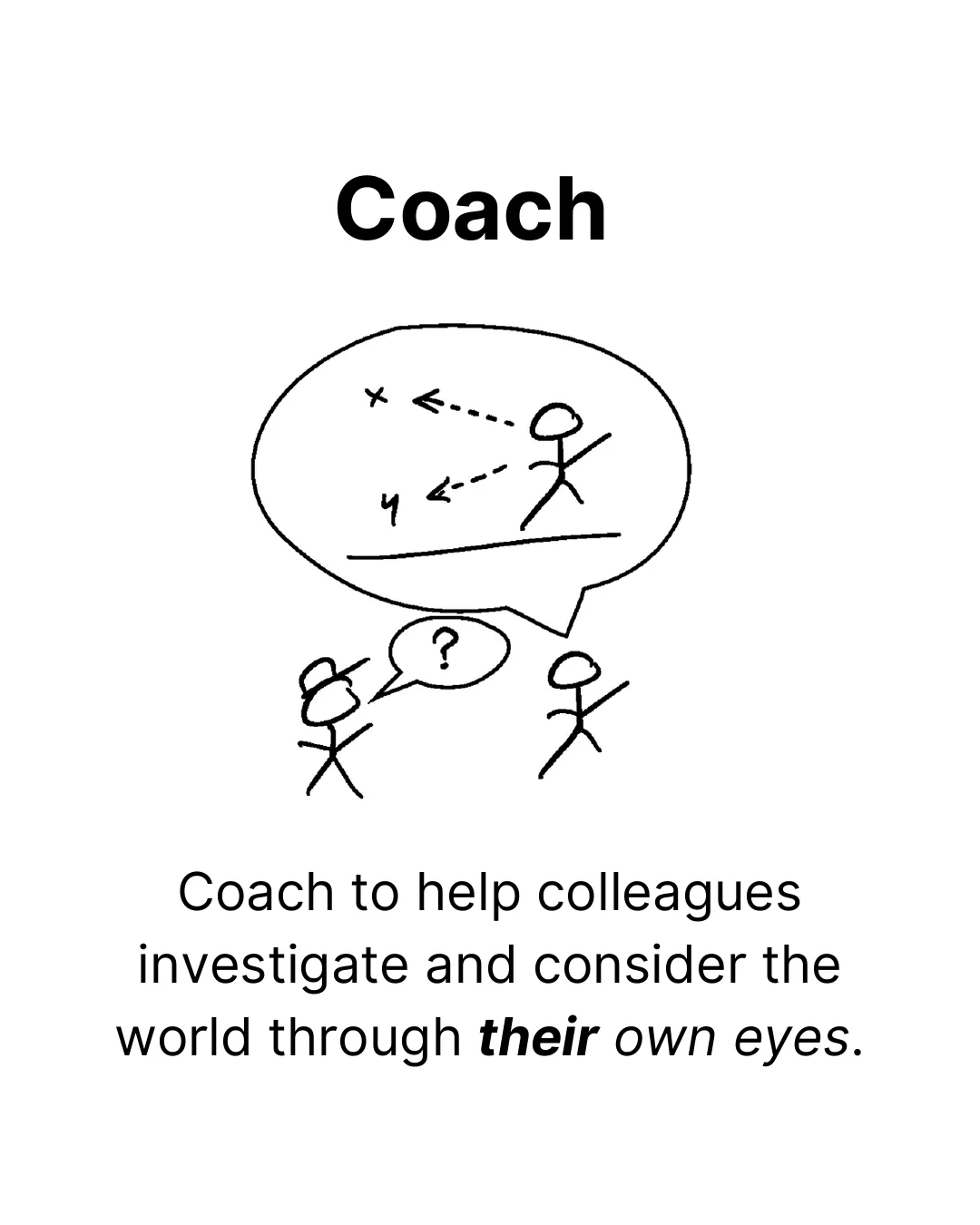
- Coach — when their perspective needs space to emerge
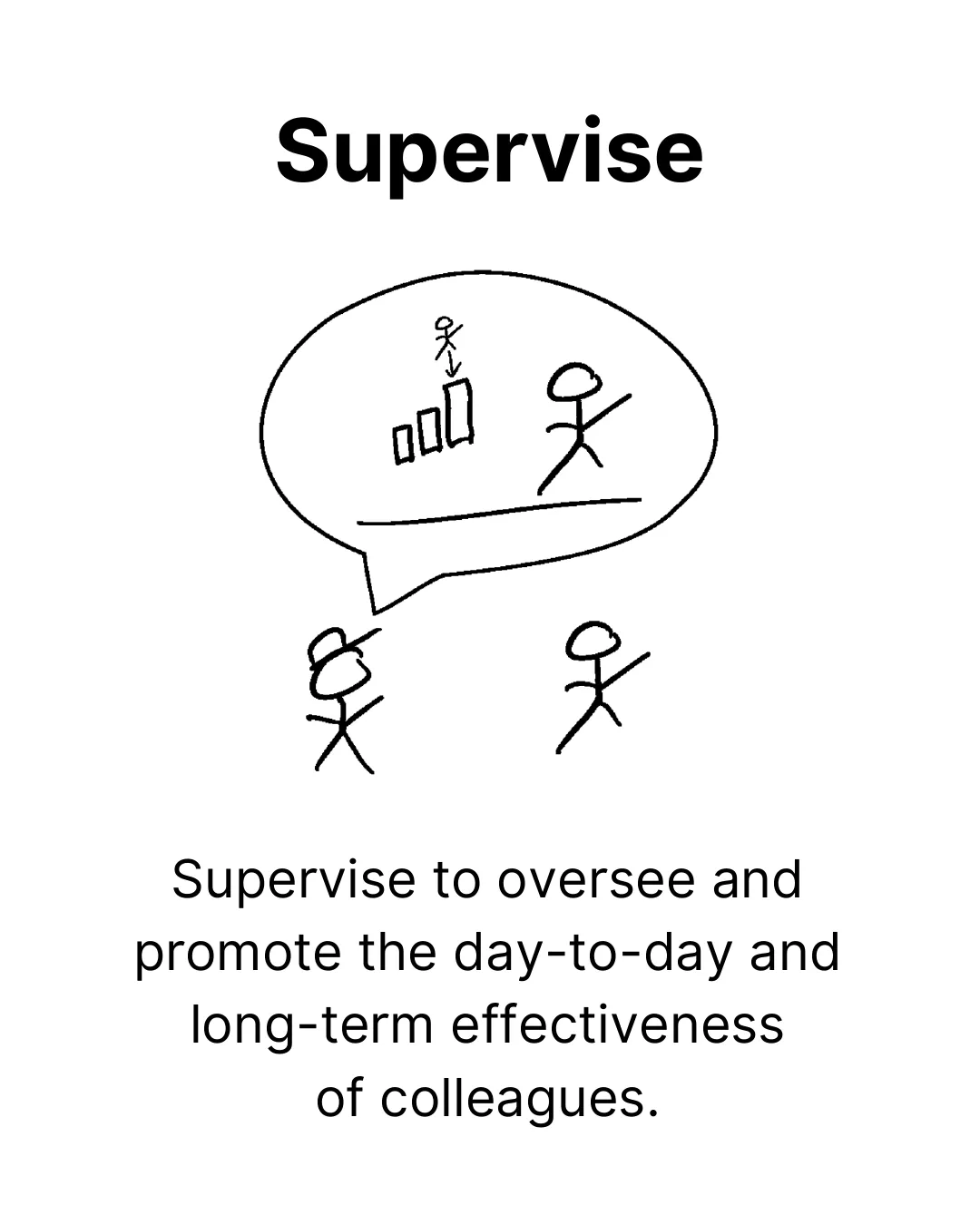
- Supervise — when accountability and alignment are required
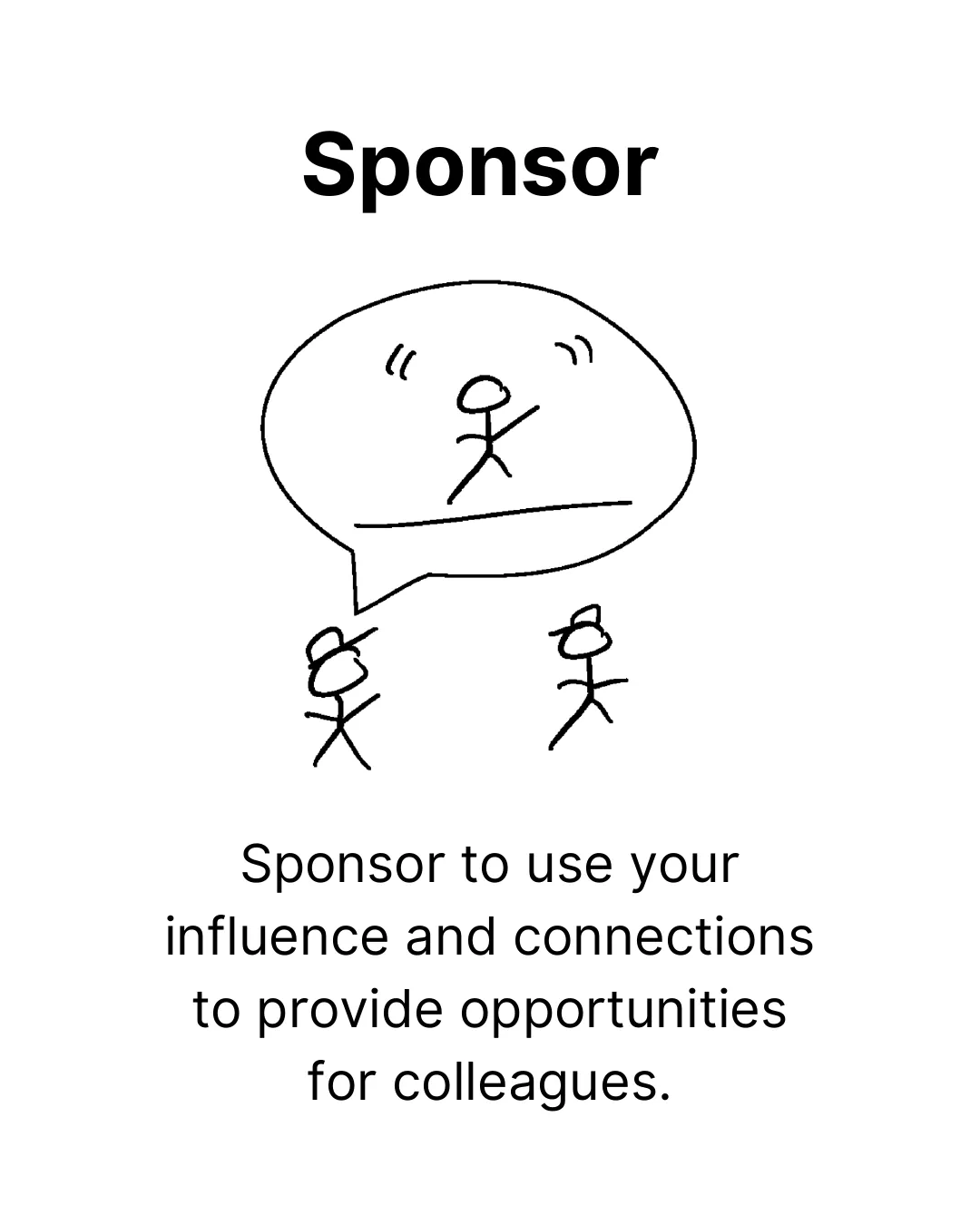
- Sponsor — when opportunity needs a push
Each hat has strengths—and limits.
Teaching transfers knowledge, but doesn’t guarantee application.
Mentoring offers perspective drawn from your experience—but your path may not map cleanly onto their reality.
Coaching helps colleagues see their world more clearly—but without enough shared context, questions can circle without traction.
Supervising creates alignment, but overuse erodes autonomy.
Sponsoring opens doors, but too early can overwhelm rather than elevate.
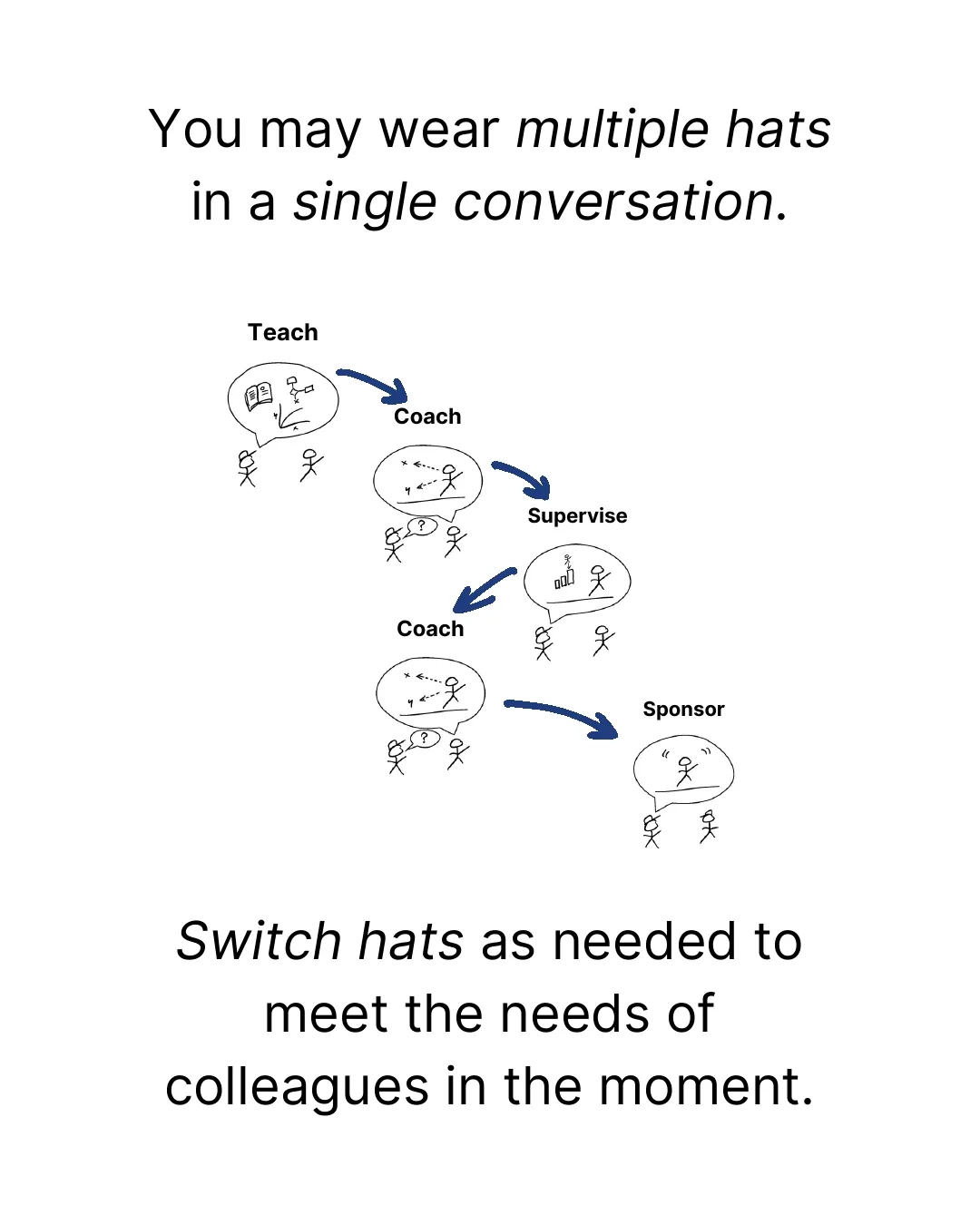
The mistake isn’t wearing a hat. The mistake is not switching.
Strong leaders move fluidly. They wear multiple hats in a single conversation. They pay attention to what their colleague needs in the moment. They adjust—deliberately.
Which hat do you default to—and what does that cost the people you lead?